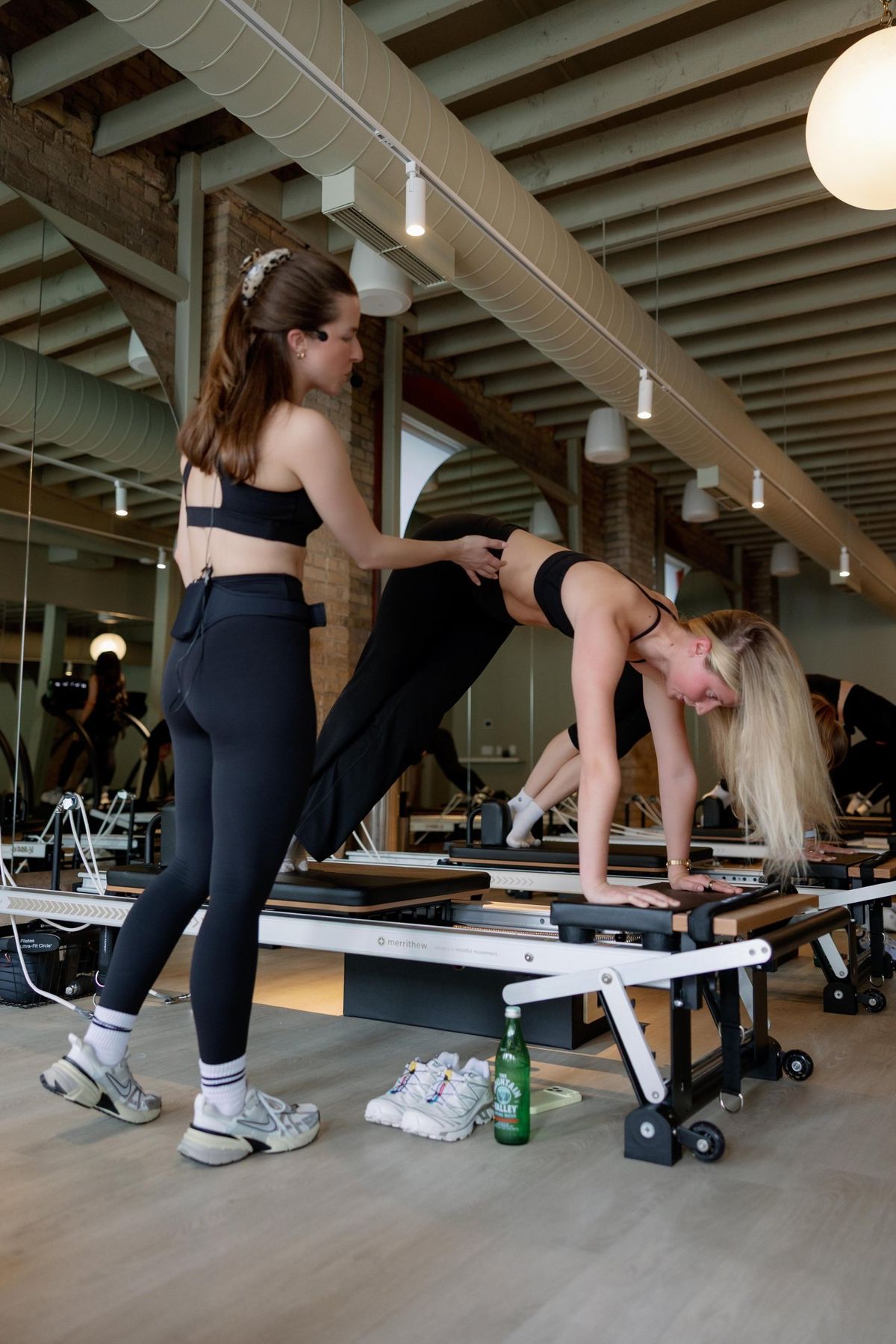
A full Rêve class in session — reformers and treadmills arranged beneath the studio's tall arched window
for the pursuit of excellence
Rêve Studios

Rêve Studios · The Franchisee Playbook

The Rêve Franchisee
Playbook

How to open and run a room that fills itself.

100
Founding members
before the doors open
$20K
Monthly income banked
pre-opening
48%
Of every class
waitlisted
91%
Members who
come back monthly

The owner’s manual for opening and running a Rêve studio.
Rêve Studios · July 2026

The owner’s manual

Welcome. You now own a Rêve studio. This is your manual. It tells you how to open your studio and how to run it.

This book is not a list of ideas. It is how the Wayzata studio really works, written down so you can run it with your own hands. How to build your community. How to hire and hold the standard. How to open with a full waitlist and keep it full.

One rule sits under every page:

The fastest way to kill this brand is to spend the scarcity that powers it.

Scarcity just means a spot here is hard to get, and that is the whole draw. Everything you do in this book either builds that scarcity or spends it. There is no move in the middle.

Here is the honest part, up front. So far, Rêve has filled two rooms in one area, with our founder as the local face. Your job is to make it true a third time, in a city that has never heard of us. This book is how you do that.

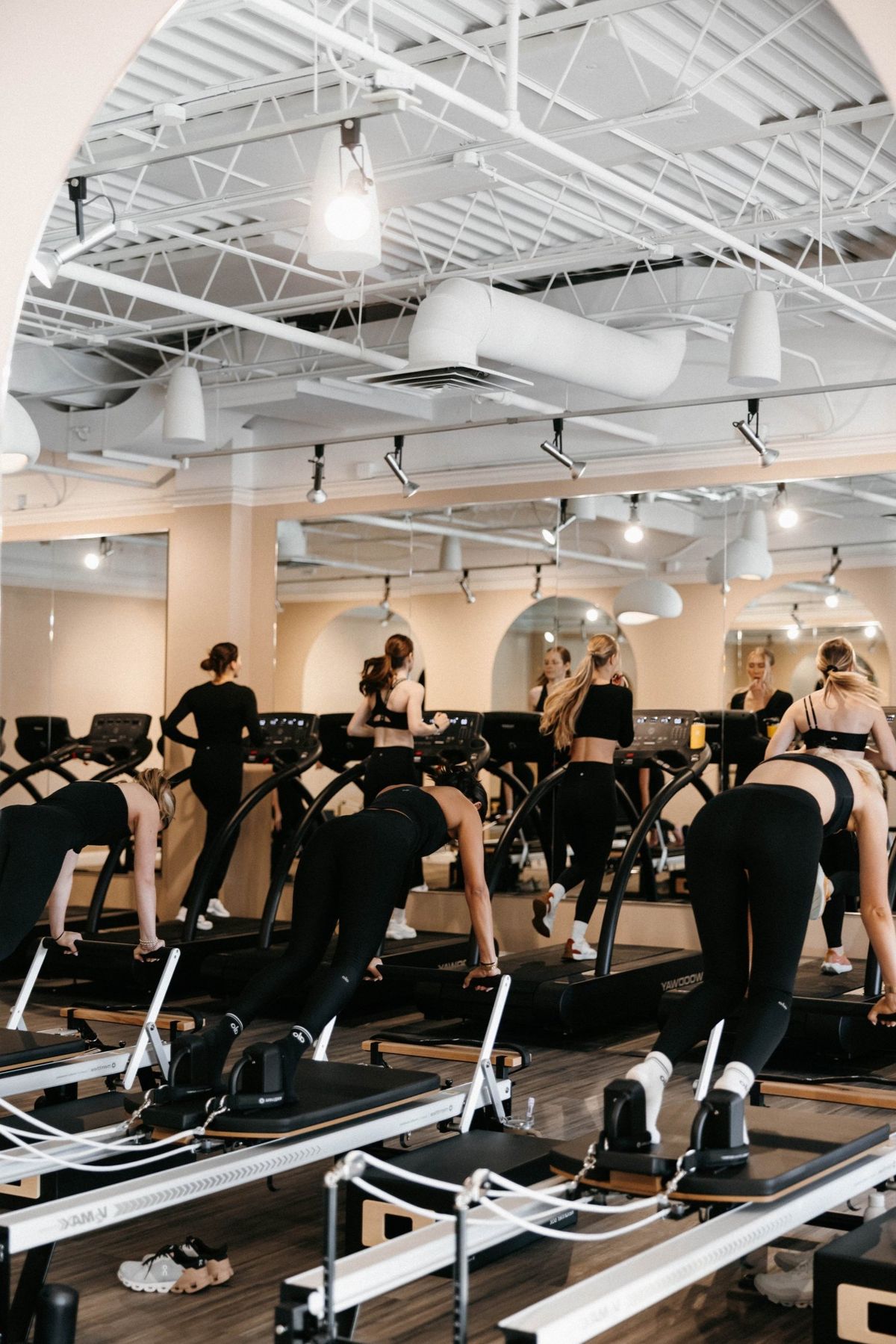
A wide view of a Rêve reformer class mid-session, members working in unison

Wayzata · in session

A room earned before it existed.

Section 1 — What you actually bought

You fell in love with a room. You walked into the studio one day and felt it: a room that fills itself. That feeling is why you are here.

Every other franchise brochure sells the opposite. They sell you sales-per-store, payback time, and the promise that you can run it from a distance. They pitch a franchise the way a bank pitches a product. None of them sold you the thing you actually saw: a room that fills itself.

So here is the honest truth about what you bought. A Rêve franchise is not a room with pretty arched mirrors. Those mirrors ship from the same makers that supply every high-end studio in your city. What you bought is the launch system:

You bought the receipts. And you bought the instructions for making them again.

You also bought one honest, unproven part, and this book names it instead of hiding it. So far there are two rooms, in one area, with our founder as the local face on both. The big question is whether the earning travels. Not the room. The earning. That is why the instructions, not the promises, are the real product. When you buy the earning, you inherit its rules: no paid ads, no discount launches, no open door. That is not a limit on what you bought. That is what you bought.

What we handed you · what you build
What we handed youWhat you build with your own hands
The founding-member launch plan (Wayzata’s $20K-a-month-before-opening system) A local audience, from zero, before you sign a lease
The Rêve Method and the standard it certifies The instructors in your room, hired and held to that standard
The founding promise: locked rate, growing priority, told-first status The founding members you give it to, one person at a time
The digital audience engine and the receipts that prove it works The system that makes your room known, running even when you are away

You did not buy a finished room. You bought the instructions for earning one, and the standard it has to meet. The rest of this book is those instructions.

Section 2 — The launch, step by step

Opening a Rêve takes about 12 months, from your first day of building an audience to a pre-sold opening. Your market was picked before you signed. This book is about what you do inside it. Here is what the launch feels like from behind the desk.

Step one: you are the local face. For the first months there is no room and no lease. There is only you, doing in your city what our founder did in Wayzata. You show up. In the feeds. At school pickup. On the gala committee. In the group chats where the women in your market already talk about where they train. You never pay for ads. This answers the question that keeps a new owner up at night: what fills MY room? The answer is the audience you are building right now, by hand, with your own name. You do not get to spend a dollar on real estate until you have a real local audience you can measure, one that shows up, not one you just hope is there.

Step two: you turn that audience into your founding members. The bar is exact. Not 100 sign-ups. Not 100 email addresses. 100 founding members, paid and committed, so that about $20,000 in monthly income is in the bank before a single class runs. At Rêve, “full” never means the room is full on opening night. It means the waitlist is full before opening night. The class calendar is already turning people away. If it is not, you do not open. The opening date bends to the room. The room never bends to the date. And to each of those first 100, you personally give the founding promise, the thing that makes founding membership matter for as long as they stay.

The founding promise
The promiseWhat the member getsWhy it feeds the engine
Locked rate The founding rate, held for life. The smallest line on her card, and the one she would cancel last. Leaving gets expensive and staying feels permanent. Her early days have a price only she paid.
Growing priority A booking window that opens earlier the longer she stays. Priority that rewards years, not fast fingers. Rewards loyalty, not reflexes. The opposite of a flat lottery that would wipe out what she earned.
Told first She hears before the public, every time. At this studio, and at the next city that opens. Every new opening becomes an honor to her, not something done around her.

Step three: you open into a waitlist, not a market. Nearly half of every class is waitlisted from day one, exactly the way Wayzata runs. Step four: you lock the founding promise in for good, so the market does not just “open,” it starts earning steadily, feeding the brand instead of draining it. From behind the desk, the whole thing comes down to one refusal you have to be willing to make: the room is earned before it exists, or it does not exist yet.

Two members running on Woodway treadmills beside the studio's brick-framed window

The composed hour

12 · 12 · 8 · 8, fixed to the minute.

Section 3 — Building your community

Founding member #23

Your real product is not the 50-minute class. It is founding member #23 in a city that has never heard of you. She paid before there was a room, because being early was the whole point. She built her week around a 6am class. She brought in six of the friends who now fight her for reformer spots. Her word is your marketing. Her friends are your steady line of new members. What she says at the school auction is your ad campaign. It costs you $0 to get any of them. She would just call it Tuesday. Call it a studio if you want. What you are really building is her, on purpose, in a city where nobody starts out loving you.

A member fixing her ponytail in soft studio light before class

That starts with making people feel known, and building it as a system, not leaving it to one friendly employee. In Wayzata it looks like Annika at the front desk: springs set before a member is through the door, a text when she misses two Tuesdays. It is tempting to call that charm. But if it lives in one person’s head, it dies the week that person takes a vacation. So you build it. Every studio gets one named front-of-house role, the person who runs the member experience. The staffing math has room for exactly this one seat, and it is the seat that runs the engine. You keep a member ledger: names, spots, how long they have been here, and who brought whom. And you keep a rule for noticed absence, because the whole point of the ledger is that someone notices when a member is gone. The quiet score members keep on you is simple: how fast does the front desk say my name? Build the room so that answer stays fast even when you are not standing in it.

Then comes the part where six friends become a steady line of new members. Your best members do not recruit with a coupon code. A code is a welcome mat, and they can feel the brand wobble the second one shows up. They recruit because being the one who found it first is part of who they are. They are the person whose taste got you in, and every time the waitlist grows, they feel proven right. So reward standing, never discounts. Their friends get logged to their name. Their time here is honored where others can see it. They hear news first. The who-brought-whom ledger is the closest thing a $0-cost engine has to an ad account. Except this one grows on its own. Every friend she brings gives her one more reason to bring the next.

What you run · what it produces
What you runHow you run itWhat it produces
Recognition One front-of-house role plus a member ledger (names, spots, time here) The desk knows her name fast, and the “you are seen” promise is kept at scale
Ritual Coffee after class for the founding group, launch-week traditions, the old pre-opening emails kept as stories Belonging with a history, the thing a brand-new studio cannot fake
Noticed absence A text after two missed classes “Someone notices when I am gone” is the only real test of community
Honored time Locked rate, growing priority, told-first status Members who keep helping instead of quietly drifting away
Logged word of mouth The who-brought-whom ledger A line of new members with names, your marketing budget made visible

Here is the one failure a budget cannot fix. Your $0 cost comes from her dinner parties, her Instagram, her six friends. Your growth engine has names, and hers is holding up the roof. The moment her help feels taken instead of honored, the engine breaks in the one way money cannot repair: her people stop helping. So every time you announce a new opening, you are really asking her one question. Does this honor what she holds, or spend it? Run the room so the answer she feels is honor, every time, and she does not just stay. She keeps bringing you the members you would otherwise have to buy.

Section 4 — Instructors and the Rêve Method

Instructor quality will make or break this whole thing.

Finding the right instructors, and growing more of them, is the hardest part of the job. Here is why. The Rêve Method is the one thing in the whole business that is truly yours and can be taught, certified, and passed on. The format is easy to copy. A third of the high-end studios in your market already run tread and reformer. The Method, the launch plan, and the standard are not easy to copy. So this is the section where a franchise either becomes real or becomes just a logo on a door.

Be honest about where the Method stands today. Right now it is closer to a name plus a couple of founders in the room than to a full system. What is already written down and locked: the composed hour (12/12/8/8, fixed to the minute, a real composition and not a mashup) and a group of instructors already trained to it at the Wayzata studio (Nicole Bruhn, Bailey Braccini, Samahra Hallada, Nora Ghoneim, and Kenzie Lee, our Advanced Instructor). What we are still building, the Year-2 work, is the training and certification program that lets a stranger in a new city meet the same bar. Think of it like a machine no competitor has, except it is built from training, not steel. It is being built to match Club Pilates’ ~450-hour training system across 1,414 studios. This book does not pretend that program is finished. It names the gap and the plan, because you bought the standard, and the standard has to be real.

Written down today · still building
Written down todayWhat we are still building
The composed hour: 12/12/8/8, fixed to the minuteA step-by-step certification a newcomer can complete
Named instructors trained to the standardA repeatable filter that reproduces them in a new city
Class consistency: the blocks, the cues, the standardsWelcome consistency: the hello, certified as strictly as the blocks
The standard when a founder is in the roomThe standard checked when no founder is there

Train at the source

Here is the rule that makes the standard travel: train at the source. Your instructors do not certify over a weekend webinar. They come to the Wayzata studio, train under our standard, and get certified before they ever lead a paying room. No other studio group does it this way, and because it is different, we make it part of who we are. You hire for the person, not the résumé. Hire for the instinct to make people feel known, and for warmth. You can teach anyone the 12/12/8/8. You cannot teach a person to make Tuesday feel like Tuesday.

An instructor-led reformer class, members in a lunge, mid-cue

This is the hardest check of all.

A method can carry a workout. It is much harder to make one carry a welcome.

Big chains prove a workout can be kept the same across hundreds of rooms. What no competitor has managed is keeping the welcome the same. So your certification has to certify the welcome too, and you have to check for it the way you would check tread intervals. Walk the room and spot-check it. Is the desk saying names? Are springs set before members reach them? Does anyone notice the missing regular? The standard survives when no founder is in the room only if it is written down and checked. Write it down. Check it. Do that, and the thing people fear most about a franchise becomes your best selling point.

A black-and-white editorial moment of training on the studio floor

Written down · checked

The standard, checked when no founder is there.

Section 5 — Running the waitlist

Scarcity at Rêve is not a marketing trick. It is the system you run every single day, and the target numbers are exact. The room runs about 75% full. Nearly half of every class (48%) is waitlisted. That works out to about 19 members in the room. Adding more capacity or cutting the price would not fix this, because nothing here is broken. This is the machine working. Your job is to run the waitlist so it means something from the outside, which only works if it means something on the inside first.

The single most important choice you make: the waitlist rewards time here, never a flat lottery. A flat lottery feels fair, but it does two deadly things at once. It brings back the exact booking scramble your members came to Rêve to escape. And it wipes out the standing your founding members paid for before there was a room. So priority rewards years, not fast fingers. The founding rate stays locked. The booking window opens earlier for members who have been here longer. This is not a loyalty perk you can switch off when you want more speed. It is the founding promise from Section 2, put to work. It is what keeps your best members helping instead of quietly refreshing the app at noon like everyone else.

The $49 two-class intro exists. And it is limited on purpose. Run it as a front-door headline and you become the welcome mat and the waitlist at the same time. Your best members feel the brand wobble the second a discounted stranger shows up in their 6am. So it lives after the waitlist, never before it. It is a quiet way to convert a warm lead who is already in the line, not a banner that begs a cold market. You cannot be the velvet rope and the coupon at once. You already sold the rope. Hold it.

When the waitlist is soft, the temptation writes itself, and the answer never changes. A soft waitlist means your audience-building is not finished, so you finish it. You do not buy the room. In this order:

Keep building the audience

More of the Step-one work: your face, your city, your audience, by hand.

Put your founding members to work

Their six friends are the members a paid ad would only fake.

Move the opening date

The calendar bends to the room. A pre-sold opening a quarter late beats a bought opening on time, every time.

Never buy what you were supposed to earn

Section 6 lays out each temptation and exactly what it costs.

A soft waitlist is a signal to keep earning, not permission to start buying. The day you forget which one you are doing is the day the room stops being worth franchising.

Warm-toned motion blur of folded towels in service — the hospitality of the room

The service, in motion

The velvet rope, held. Never the coupon.

Section 6 — The temptations

Every one of these feels like good management in the moment. Every one of them spends the scarcity. Run this list before you act, not after. It leads with the temptation the numbers will whisper to you loudest, the one every money-smart owner eventually hears: the slow opening that says just turn on some ads.

Run this before you act
The temptationWhy it feels rightWhat it actually costsThe earned way instead
Turn on paid ads when the opening runs slow, and cut community work to pay for it It is the logical move on a spreadsheet, and it fills the room this month It spends the scarcity. One room the public knows was bought proves the rooms do not fill themselves, and the market does not give you a second chance to believe Push the opening, keep building the audience, and put the work into your founding members instead of ads
Flatten booking into a “fair” lottery It quiets the complaints and feels equal It brings back the booking scramble members fled, and wipes out your founding members’ standing in one move Priority that rewards time here and never resets
Make the $49 intro the headline It is a proven trick every studio in town runs It mixes the welcome mat with the velvet rope, and your best members feel the wobble from inside the room Keep it a quiet after-the-waitlist offer, never a banner
Cut the front-of-house role to save on staff It looks like a cost you do not need, and the model runs on just 1–2 people per studio The desk gets slower to know names, noticed absence dies, and your members stop helping. This is the engine’s one failure money cannot fix Pay for the one seat that runs the engine. It is not overhead. It is the operator
Hire for the empty slot, or “improve” the composed hour Staffing is hard, and small tweaks look harmless The standard slips, the room stops being the room, and the Method stops carrying the welcome Hire for the person, certify to the standard, and check the room

Then the checklist that sits on your desk. Before any post, promotion, or launch decision leaves your hands, run these five. More than one no, and you rewrite before you publish.

  1. Does this ask to be earned, or beg to be bought?
  2. Does this promise a body that lasts, or results that wreck? (The hour you can still do at fifty, or the one you survive once.)
  3. Would founding member #23 read this as honor, or as being pushed aside?
  4. Could any studio with a marketing budget say this? If yes, rewrite it until it names something money cannot fake.
  5. Does the voice hold the velvet rope honestly? Numbers over adjectives. No welcome mat.

The temptations never stop coming. A franchise that grows is one that meets more of them, not fewer. This filter is how a room in a new city stays as good as the room in Wayzata. Not because the owner is a founder, but because the system refuses, for her, to spend the one thing she was actually sold. That refusal is the whole job. Everything else in this book is how to make the refusal easy.

The owner’s manual

How to open and run a room that fills itself.

Rêve Studios · July 2026

The owner’s manual for opening and running a Rêve studio. Confidential to franchise owners.

The Rêve founders together in the studio